
Plumbing Inspections for Home Buyers
January 4, 2024
Upgrading Your Plumbing Fixtures: What You Need to Know
March 15, 2024How to Prevent and Deal with Clogged Drains
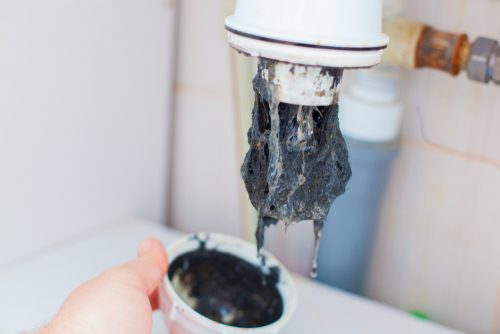
How to Prevent and Deal with Clogged Drains
How to Prevent and Deal with Clogged Drains? In the bustling urban landscapes of cities like Singapore, clogged drains stand as a pervasive challenge for both homeowners and businesses.
The inconvenience and potential health hazards posed by blocked drainage systems underscore the necessity for vigilance in maintenance and care.
This comprehensive guide delves into the multifaceted approach required to prevent clogged drains and effectively address them when they arise, highlighting the common causes, preventive strategies, and solutions while considering environmental impacts and long-term care.
Read on – How to Prevent and Deal with Clogged Drains:
The Common Causes of Drain Clogs
Clogged drains can stem from a variety of sources. In the kitchen, the culprits often include cooking oil, grease, and food scraps. In bathrooms, hair, soap scum, and personal care products contribute to blockages.
Outdoor drains may become clogged with leaves, debris, and sediment, especially during Singapore’s frequent downpours.
Regular maintenance is not just about keeping drains clear; it’s about ensuring the health and safety of a building’s occupants.
Stagnant water in clogged drains can become a breeding ground for bacteria and pests, presenting significant health risks.
Preventing Clogged Drains

Proper Waste Disposal Practices
- Avoiding the Sink for Disposing of Oil and Food Scraps: The sink is not a disposal bin. Cooking oil and food scraps should be disposed of properly in trash bins or composted where possible. This simple practice can significantly reduce the risk of kitchen drain clogs.
- Using Drain Strainers in Kitchen Sinks and Showers: Drain strainers are an inexpensive yet effective tool in catching food particles, hair, and other debris, preventing them from entering the drainage system.
Regular Cleaning and Maintenance
A mixture of baking soda and vinegar poured down the drain, followed by hot water, can help break down build-ups of grease, soap, and hair, maintaining a clear drain without the need for harsh chemicals.
Regularly flushing drains with hot water can prevent the accumulation of soap scum and grease, keeping drains flowing smoothly.
Mindful Bathroom Habits

Hair and soap scum are the primary contributors to bathroom drain clogs. Installing a hair catcher in shower drains can mitigate this issue.
Opting for liquid soaps and shower gels that are less likely to leave residue can help in reducing soap scum build-up in pipes.
Outdoor Drain Care
Regularly clearing leaves and debris from outdoor drains, especially before heavy rains, can prevent water from backing up and causing indoor plumbing issues.
Gutters play a crucial role in directing rainwater away from the building. Ensuring that gutters are clean and free of obstructions is essential to prevent water from spilling over and seeping into the foundation, which can lead to damp issues and affect indoor drainage.
Identifying and Addressing Clogged Drains
- Slow Draining Water: Water that drains slowly from sinks, showers, or toilets often indicates a partial blockage, signaling the need for immediate attention.
- Unpleasant Odors and Their Implications: Foul odors emanating from drains can be a sign of accumulated food, grease, or other decomposing materials in pipes, suggesting a clog is forming.
DIY Solutions for Minor Clogs

A plunger can often dislodge minor clogs when used correctly. The key is to create a tight seal around the drain and apply firm, consistent pressure.
A combination of baking soda, vinegar, and hot water can effectively clear minor clogs without the environmental impact of chemical cleaners.
When to Call a Professional
Severe blockages, recurring clogs, or issues that persist despite home remedies warrant professional assessment and intervention.
Professionals have the tools, knowledge, and experience to diagnose and solve drainage problems efficiently, often employing methods like hydrojetting that are beyond the reach of most homeowners.
Long-term Drain Care Strategies
Drain guards and filters come in various designs suited to different types of drains, from showers to kitchen sinks, effectively catching debris before it causes blockages.
For drain guards to be effective, they must fit snugly and be cleaned regularly to prevent overflow and ensure they continue to protect against clogs.
Regular Professional Inspections

An annual inspection by a plumbing professional can help identify potential issues before they escalate, saving money and preventing emergencies.
Professional inspections typically involve the use of camera systems to visually inspect pipes for buildup, damage, or other issues that could lead to clogs.
Educating Household Members
Educating children on what should not be flushed down toilets or drains can prevent many common clogs.
All household members should be aware of best practices for drain care, ensuring everyone contributes to preventing blockages.
Eco-friendly Drain Maintenance Practices
Eco-friendly practices, such as using enzymatic cleaners or homemade solutions, can effectively maintain clear drains without harming the environment.
Proper drain maintenance helps prevent pollutants from entering the water system, protecting local waterways and wildlife.
Recycling and Waste Reduction
Effective waste management, including recycling and composting, reduces the amount of waste that can end up in drains, mitigating the risk of clogs.
Minimizing waste, especially in the kitchen, can play a significant role in preventing the accumulation of debris that leads to clogged drains.
Frequently Asked Questions (FAQs)

What are the safest products to use for unclogging drains?
The safest products for unclogging drains are natural solutions like baking soda and vinegar, which are effective for minor clogs and safe for most types of plumbing.
These alternatives avoid the harsh chemicals found in commercial drain cleaners, which can damage pipes over time.
How often should I clean my drains to prevent clogs?
It’s a good practice to clean your drains monthly using natural cleaning solutions to prevent the buildup of debris and grease that can lead to clogs. For more heavily used drains, such as kitchen sinks, consider a bi-weekly cleaning routine.
Can clogged drains affect my home’s plumbing system?
Yes, clogged drains can put additional pressure on your home’s plumbing system, leading to leaks, pipe damage, and in severe cases, burst pipes. Regular maintenance and prompt attention to clogs can prevent these issues.
What should I do if a clog recurs after I’ve cleared it?
If a clog recurs, it may indicate a deeper or more serious blockage within the plumbing system. In such cases, it’s advisable to consult a professional plumber who can diagnose and resolve the underlying issue.
Are chemical drain cleaners safe for all types of plumbing?
Chemical drain cleaners are not safe for all types of plumbing, especially older pipes or systems made from certain materials like PVC.
Frequent use of harsh chemicals can erode pipes and lead to leaks. Always check the product label for compatibility with your plumbing system or opt for natural cleaning methods.
How to Prevent and Deal with Clogged Drains – Conclusion

Preventing and addressing clogged drains requires a comprehensive approach, from daily habits to professional maintenance.
By understanding the causes and implementing effective preventive measures, homeowners and businesses in Singapore can maintain clear, functional drainage systems.
Embracing eco-friendly practices further ensures that efforts to keep drains clear also contribute positively to environmental sustainability.
Adopting regular drain maintenance practices and being proactive in addressing early signs of clogs can save time, money, and inconvenience.
Consider scheduling a professional inspection to ensure your drainage system is in optimal condition, contributing to a healthier, more sustainable home environment!
Are you seeking professional and reliable plumbing services in Singapore? Contact us today!


